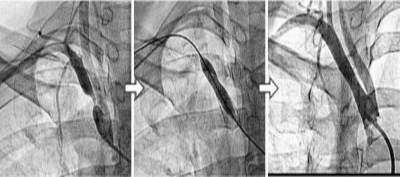

Endovascular Treatment and Surgery Procedures
Endovascular Treatments are minimally invasive procedures used to diagnose and treat blood vessel conditions from inside the artery or vein. Instead of large surgical cuts, these treatments are performed through a small puncture using catheters, wires, balloons, stents, and imaging guidance.
Endovascular Treatment is commonly used for conditions affecting arteries and veins where restoring blood flow, treating narrowing, or managing damaged vessels is required.
Endovascular Treatments may be advised for the following vascular conditions:
- Peripheral artery disease (reduced blood flow in legs)
- Varicose veins and venous insufficiency
- Carotid artery narrowing
- Aortic aneurysm in selected cases
- Dialysis access blockages
- Blood clots or vessel narrowing
Modern endovascular procedures help restore blood flow, reduce symptoms, and improve long-term vascular health.
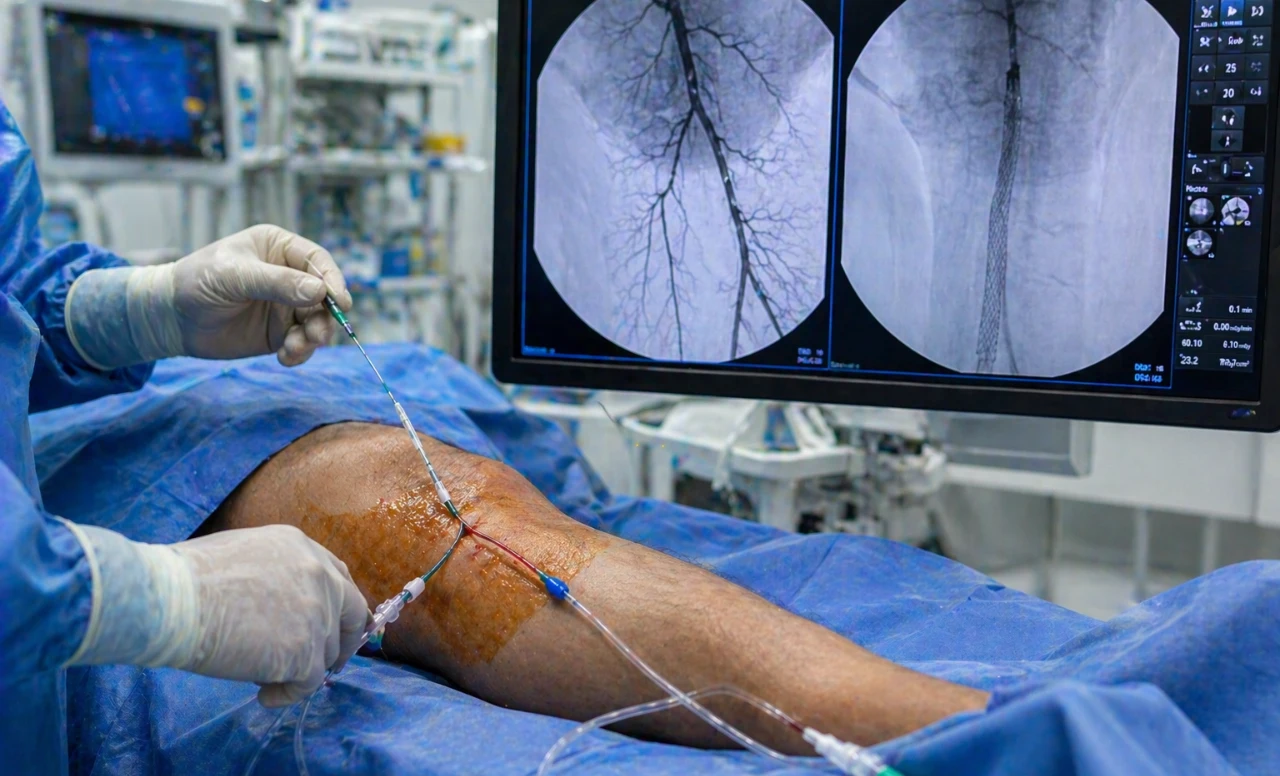
Why Endovascular Treatment Is Preferred

Many vascular conditions can now be treated without large incisions. This has made Endovascular Treatments an important option for suitable patients.
Key advantages include:
- Small puncture instead of major surgical cuts
- Reduced pain after procedure
- Shorter hospital stay
- Faster return to routine activity
- Lower blood loss in many cases
- Useful for elderly or high-risk patients
For many patients, endovascular surgery procedures provide effective results with less disruption to daily life.
Conditions Treated with Endovascular Procedures
An experienced endovascular surgeon may recommend treatment depending on symptoms, imaging findings, and overall health.
Common conditions include:
Peripheral Artery Disease
Blocked leg arteries causing pain while walking, non-healing wounds, or reduced circulation.
Varicose Veins
Enlarged veins causing heaviness, swelling, itching, or visible vein bulging.
Carotid Artery Disease
Narrowing of neck arteries increases stroke risk.
Aneurysm
Weakening or enlargement of a blood vessel wall.
Dialysis Access Problems
Blocked or narrowed fistula or graft requiring restoration of flow.
Types of Endovascular Treatments
The exact Endovascular Treatment depends on the vascular condition being treated.
Common options include:
- Angioplasty – balloon used to open narrowed arteries
- Stenting – mesh tube placed to keep artery open
- Thrombectomy – removal of clot from vessel
- Embolization – controlled blockage of abnormal vessels
- Endovenous Laser / RF Ablation – treatment for varicose veins
- Aneurysm Stent Grafts – used in selected aneurysm cases
These advanced endovascular procedures are performed using real-time imaging for precision.
What to Expect During an Endovascular Procedure
Before treatment, imaging tests and medical evaluation help plan the procedure.
During treatment:
- Local or regional anaesthesia is commonly used
- A small puncture is made, usually in the groin or wrist
- Catheters and instruments are guided through blood vessels
- Blockage is treated using balloons, stents, or other devices
- Recovery monitoring is done after the procedure
The typical duration of an endovascular procedure depends on complexity and usually ranges from 30 minutes to a few hours.
Endovascular Surgery vs Traditional Open Surgery
Both methods have an important role in vascular care. The right option depends on anatomy, severity, and patient fitness.
Endovascular Surgery
- Minimally invasive
- Smaller entry site
- Faster recovery in many cases
- Shorter hospital stay
Open Surgery
- Larger incision
- May be needed for complex or advanced disease
- Longer recovery period in some cases
Guidance from qualified endovascular specialists helps determine the most suitable treatment approach.
Recovery After Endovascular Treatment
Recovery is often quicker than open surgery, though it varies by condition and procedure type.
Most patients may expect:
- Short observation or hospital stay
- Early walking in selected cases
- Return to routine activity in a few days to weeks
- Follow-up scans or Doppler studies if required
- Ongoing medicines and lifestyle advice
Regular follow-up helps maintain long-term success of Endovascular Treatments.
Choosing the Right Endovascular Treatment Center
When selecting a treatment center, consider:
- Experience of the endovascular surgeon
- Availability of modern imaging and cath lab facilities
- Expertise in arterial and venous treatments
- Clear follow-up protocols
- Personalized treatment planning
- Transparent communication regarding options and risks
Choosing the right team improves confidence, safety, and outcomes.
Frequently asked questions
Endovascular means treatment performed from inside the blood vessel using catheters, wires, balloons, or stents through a small puncture. It is a minimally invasive approach used to treat artery and vein conditions without large surgical cuts.
In selected stroke cases caused by blocked brain arteries, endovascular treatment may involve mechanical thrombectomy. A catheter is used to remove the clot and restore blood flow quickly, helping reduce brain damage when performed urgently.
Endovascular surgery uses catheters and image guidance through a small puncture, while traditional vascular surgery may require open incisions. Both treat blood vessel disease, but recovery is often quicker with endovascular procedures.
Endovascular Treatments are useful for blocked arteries, peripheral artery disease, varicose veins, aneurysms, carotid narrowing, dialysis access blockage, and selected clot-related conditions. They help improve blood flow using minimally invasive techniques.
Possible risks include bleeding, infection, contrast reaction, clot formation, vessel injury, or re-narrowing of the treated vessel. Serious complications are uncommon when procedures are performed by experienced endovascular specialists with proper monitoring.
Candidates include patients with blocked arteries, aneurysms, varicose veins, carotid disease, dialysis access problems, or circulation symptoms. Suitability depends on imaging findings, overall health, and whether minimally invasive treatment is appropriate.
Endovascular surgery is a specialized medical procedure and should be taken seriously, but it is less invasive than many open surgeries. In suitable patients, it is generally safe and commonly associated with quicker recovery.
Hospital stay depends on the condition treated and procedure complexity. Many patients are discharged the same day or within one to two days, while complex cases may need a longer observation period.
Most patients experience mild discomfort rather than severe pain. Local anaesthesia and sedation are commonly used during the procedure, and recovery discomfort is often less compared with traditional open vascular surgery.
Modern stents may include self-expanding, drug-coated, covered, or balloon-expandable stents. The ideal choice depends on artery location, blockage length, calcium buildup, and overall patient condition assessed during treatment planning.
Choose a center with experienced specialists, duplex ultrasound evaluation, modern vein treatment options, safety standards, follow-up care, and clear explanation of procedures. Proper assessment is important for successful long-term varicose vein management.
The duration varies by complexity and treatment type. Many endovascular procedures take around 30 minutes to a few hours, followed by recovery observation before discharge or short hospital stay.
Endovascular surgery uses a small puncture with catheters and imaging guidance, while open surgery needs a larger incision. Endovascular methods often provide faster recovery, shorter stay, and less postoperative discomfort.
Costs vary by city, hospital, technology used, number of veins treated, and procedure type such as laser or radiofrequency. A consultation and ultrasound assessment help provide an accurate treatment estimate.
Gallery
1. Coil Embolisation
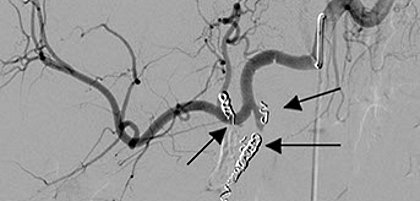
2. Iliac Angioplasty

3. Carotid Angioplasty
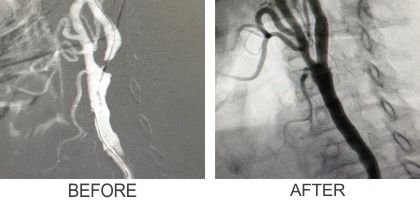
5. Renal Aneurysm Coiling

4. Aortic Aneurysm
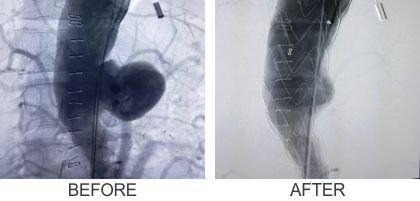
6. Subclavian Angioplasty