
Treatment of Swollen Legs

Swelling in the legs is a common condition that may occur due to fluid buildup in the tissues, also known as edema. It can involve the feet, ankles, or even the thighs, and may affect one or both legs.
- It may be temporary or related to an underlying medical condition
- It can vary from mild swelling to significant discomfort
- Persistent swelling requires proper evaluation
Effective treatment for swelling in legs depends on identifying the exact cause and addressing it appropriately.
What Causes Swollen Legs?
Swelling in the legs can occur due to problems in the veins, lymphatic system, or other medical conditions.
Common causes include:
- Venous insufficiency (improper blood flow in leg veins)
- Fluid retention due to prolonged sitting or standing
- Lymphatic system disease leading to accumulation of lymph fluid
- Heart, kidney, or liver-related conditions
- Obesity and reduced physical activity
In some cases, swollen feet with heart problems may indicate fluid buildup due to reduced heart function.

Symptoms of Swollen Feet and Legs
Symptoms of leg swelling can vary depending on the underlying cause and severity. In many cases, patients notice changes in how the legs feel before visible swelling becomes obvious.
Common symptoms of swollen feet and legs include:
- A feeling of heaviness or tightness in the legs
- Discomfort or aching, especially after prolonged standing
- Reduced flexibility or stiffness in the ankles or feet
- A sensation of fullness or pressure in the lower limbs
- Difficulty wearing footwear due to increasing tightness
These symptoms may gradually progress and can later be associated with visible swelling. Persistent feet legs swelling, especially when worsening or associated with pain, should be medically evaluated.
When is Leg Swelling a Concern?
Not all swelling requires treatment, but certain conditions need medical attention.
Evaluation is important when:
- Swelling is persistent or worsening
- One leg is more swollen than the other
- There is associated pain, redness, or warmth
- There is a known medical condition
Early leg swelling treatment helps prevent complications and improves comfort.
Diagnosis of Leg Swelling
Accurate diagnosis helps determine the underlying cause of swelling.
Evaluation may include:
- Clinical examination
- Doppler ultrasound to assess blood flow
- Blood tests to check organ function
- Imaging tests if required
These steps help guide the most appropriate swollen legs treatment.
Treatment for Swelling in Legs
Treatment depends on the cause and severity of swelling.
1. Conservative and Lifestyle Measures
- Elevating the legs to reduce fluid accumulation
- Regular walking or movement
- Reducing salt intake
- Avoiding prolonged sitting or standing
These steps help improve circulation and are often the first step in treatment for swelling in legs.
2. Medical Treatment
- Diuretics to reduce fluid retention
- Medications for underlying conditions
- Blood thinners if required
This form of swollen legs treatment is based on the cause and patient condition.
3. Compression Therapy
- Use of compression stockings
- Helps improve blood flow in the legs
- Prevents further fluid buildup
Compression is an important part of leg swelling treatment in many patients.
4. Treatment for Lymphatic Causes
When swelling is due to lymphatic system disease:
- Lymphatic drainage therapy
- Compression and long-term management
- Monitoring for recurrence
This helps control chronic swelling and improve limb function.
Swollen Thigh Treatment
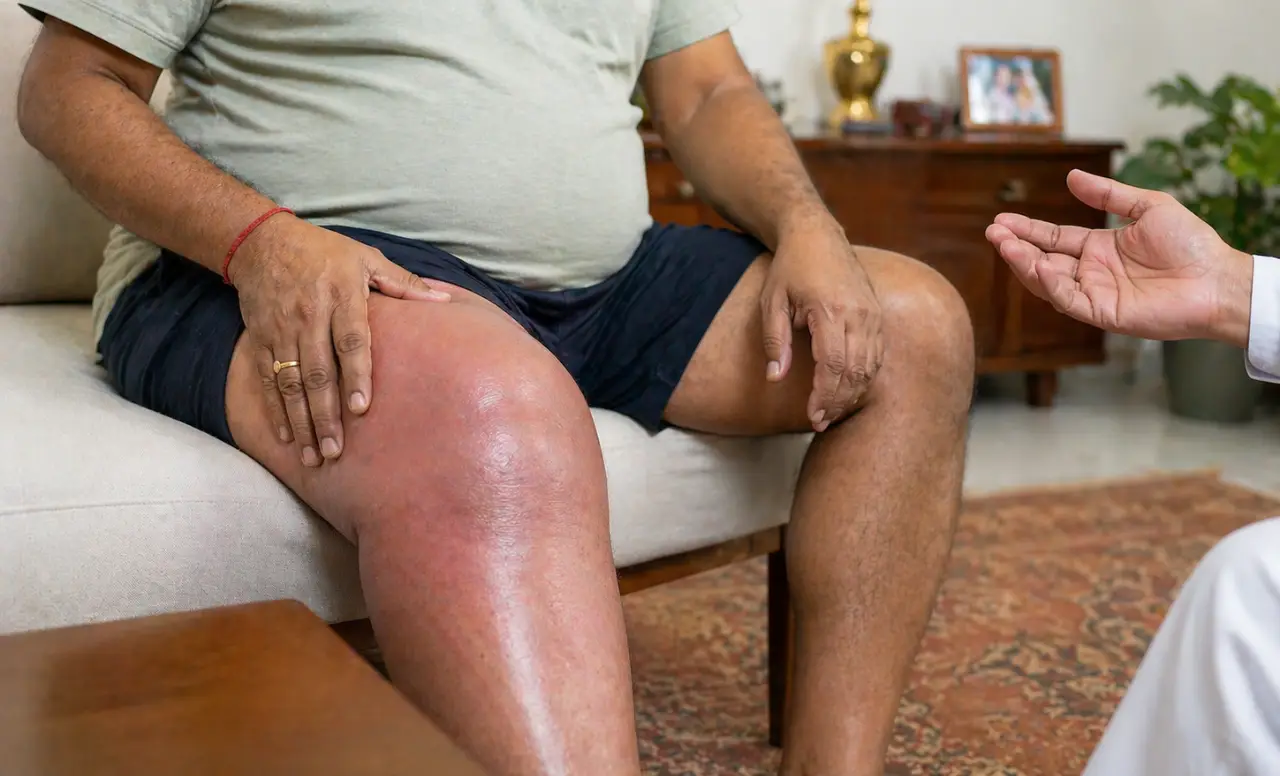
Swelling may sometimes extend to the thigh, especially in cases of vascular or lymphatic involvement.
Management includes:
- Identifying the underlying cause
- Treating clotting or circulation-related problems
- Ongoing monitoring
Proper swollen thigh treatment is important to prevent complications.
Risks of Ignoring Swollen Legs
If left untreated, swelling may lead to:
- Skin infections or ulcers
- Increased discomfort and mobility issues
- Blood clots (deep vein thrombosis)
- Worsening of underlying disease
In cases like swollen feet with heart problems, ignoring symptoms can affect overall health.
When to Consult a Vascular Specialist for Swollen Legs
Medical consultation with a vascular specialist (vascular surgeon) is important in the following situations:
- Sudden or severe swelling
- Swelling affecting one leg more than the other
- Pain, redness, or warmth in the leg
- Presence of underlying conditions such as heart, kidney, or vascular disease
Timely evaluation helps identify the cause and ensures appropriate swollen legs treatment, reducing the risk of complications.
The main cause of leg swelling is fluid buildup in the tissues, often due to poor blood circulation, venous insufficiency, or lymphatic system disease. It may also occur due to prolonged standing, heart, kidney, or liver-related conditions.
Natural remedies include elevating the legs, reducing salt intake, staying active, and avoiding long periods of standing or sitting. These methods help improve circulation and reduce fluid buildup in swollen feet and legs.
Swelling can reduce faster by elevating the legs, using compression stockings, staying active, and reducing salt intake. These measures improve blood circulation and help decrease fluid buildup in feet legs swelling conditions.
Swelling may be serious if it is sudden, severe, affects one leg, or is associated with pain, redness, or breathing difficulty. Such symptoms may indicate underlying conditions requiring immediate medical evaluation and treatment.
Yes, swelling in the legs can indicate serious conditions such as heart disease, kidney problems, or lymphatic system disease. Persistent swelling should be evaluated to identify the cause and begin appropriate treatment for swelling in legs.
Medical consultation is necessary if swelling is persistent, worsening, or associated with pain or other symptoms. Early diagnosis helps identify the cause and ensures proper leg swelling treatment to prevent complications.
Treatment options include lifestyle changes, medications, compression therapy, and treatment of underlying conditions. In some cases, specialized care is required for vascular or lymphatic causes contributing to swollen legs treatment.
Common symptoms include persistent swelling in limbs, heaviness, tight skin, and reduced flexibility. These signs often indicate lymphatic system disease, leading to fluid buildup and requiring long-term management to control swelling.
Diseases affecting the lymphatic system include lymphedema, infections, cancers, and inflammatory conditions. These disorders disrupt fluid drainage, leading to swelling in legs, feet, or other body parts, requiring appropriate medical evaluation and care.x`
Gallery
Subclavian Vein Stent
Endophlebectomy
Successful Treatments